Vietnamese coriander in Germany – The herb that is almost always in my garden
How I propagate rau răm from stems bought at an Asian market, grow it in a pot standing in water, and keep it through winter in Germany.
- Author
- FlamaBloom
- Published
- July 16, 2026
- Updated
- July 16, 2026
- Reading time
- 4 min read
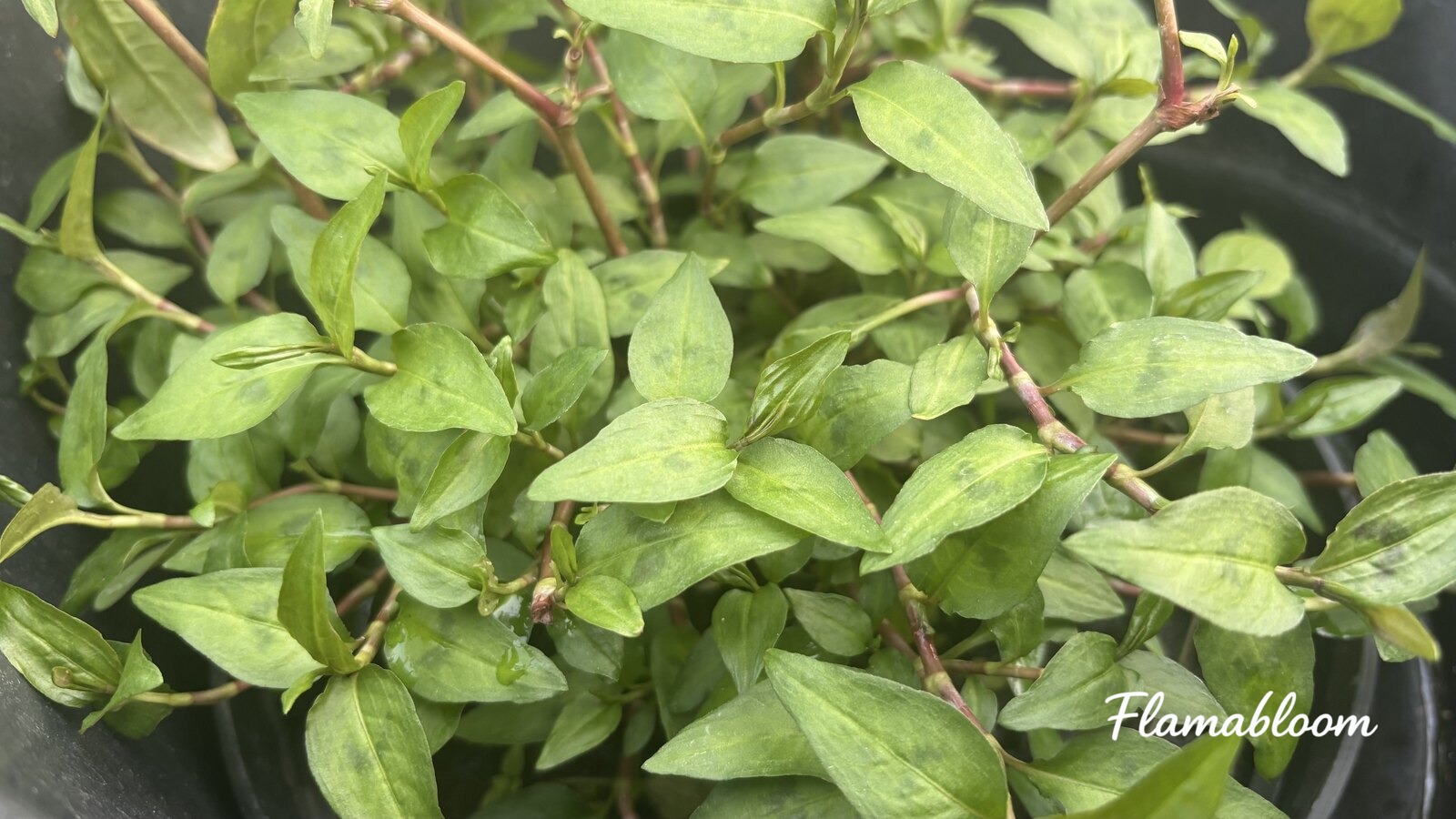
Some plants I grow because I am curious.
Some plants I grow because I want to see whether they can survive a German winter.
Rau răm is different.
It is a flavor I always want to have within reach in the garden.
Most Vietnamese people know rau răm very well. Outside Vietnam, it is often called Vietnamese coriander or Persicaria odorata. This aromatic herb is widely used in Southeast Asian cooking, and it has also long been mentioned in folk medicine because of its fragrant essential oils and some compounds associated with antioxidant and mild antibacterial activity.
But for me, its greatest value is much simpler: a few finely sliced leaves can make a bowl of rice porridge or a pot of soup taste like home.
What I like most is that rau răm is extremely easy to propagate.
I almost never need to sow seeds.
How I propagate rau răm
Whenever I go to an Asian market, I buy a fresh bunch of rau răm.
The leaves and tender tips go into cooking.
The stems, about 7–10 cm long, I keep aside.
Those are the real "starter plants" for the new season.
I trim the base cleanly with scissors or a sharp knife.
Then I place the stems in a glass of clean water.
If I want to keep the humidity higher, I cover the top with a clear plastic bag to create a small greenhouse effect.
Usually, after only 1–2 days, the first white roots begin to appear around the stems.
I do not wait until the root system becomes very long.
As soon as I see the roots starting to emerge, I plant the stems in soil.
The trick that makes it grow quickly
After many years of trying different methods, this is the one that works best for me.
I plant rau răm in an ordinary pot.
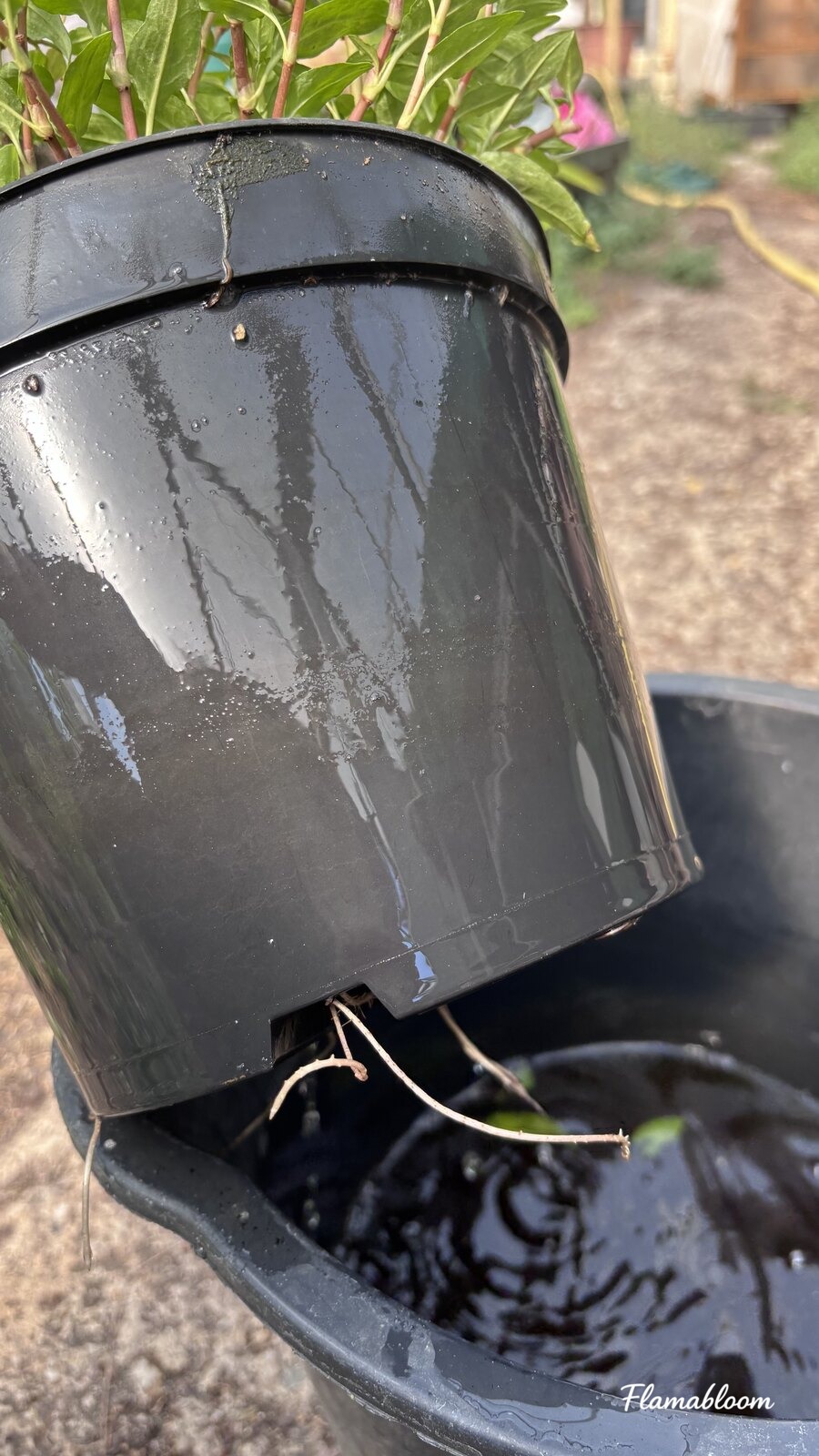
Then I place the whole pot inside a large bucket.
I fill the bucket with water until it reaches about two thirds of the pot height.
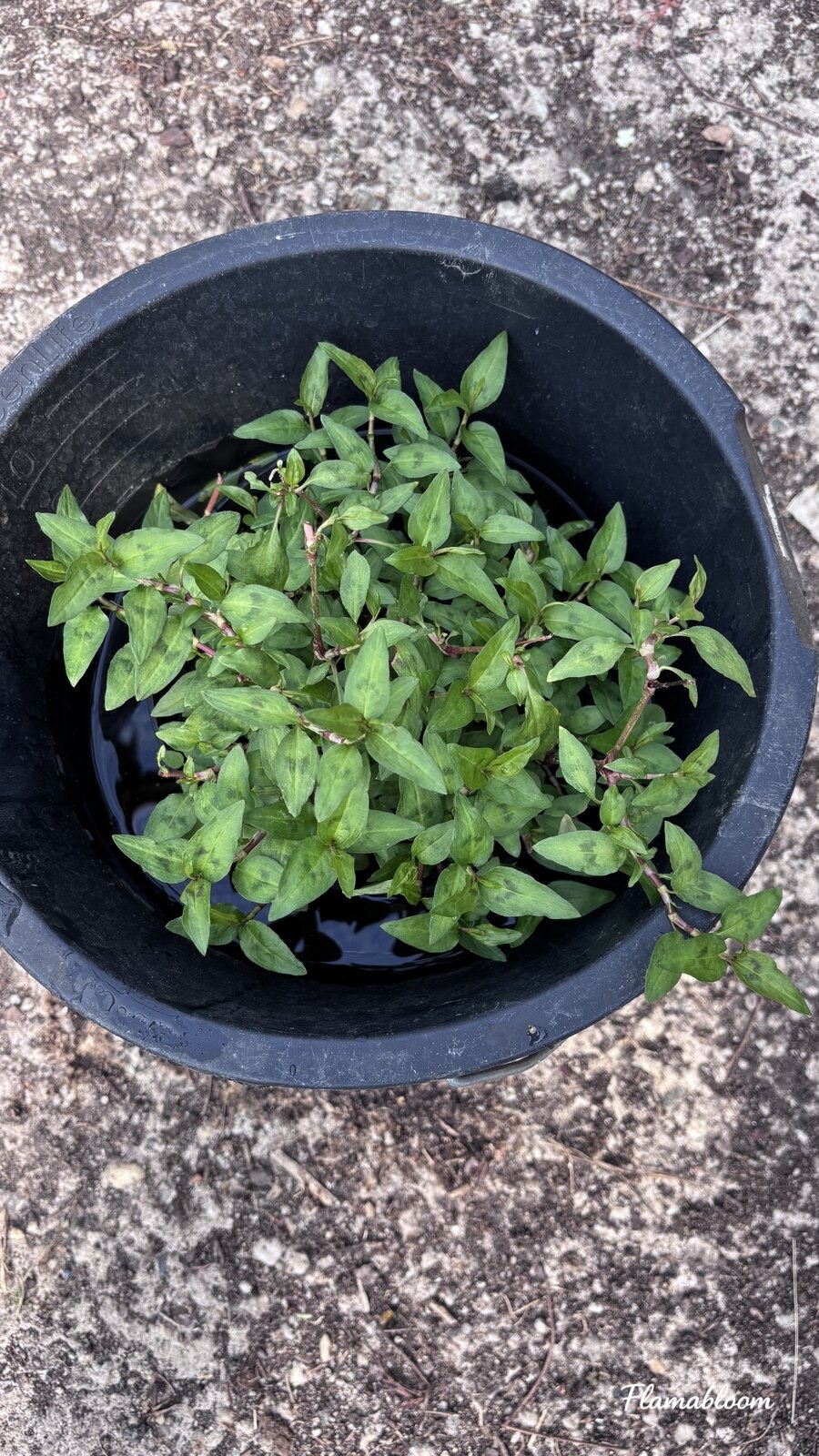
Rau răm loves water.
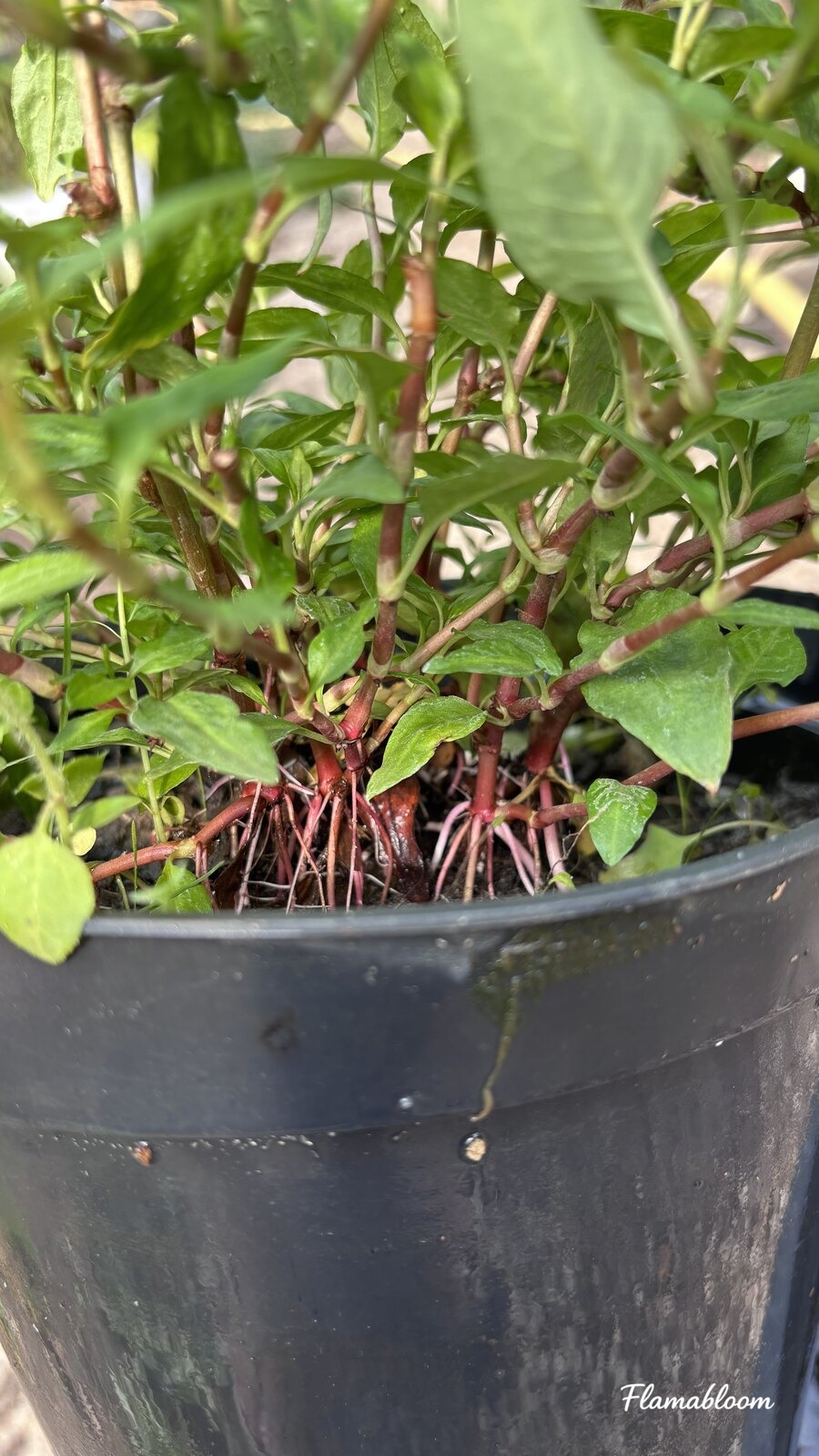
When it has a stable water source, it keeps making new roots, grows very quickly, and almost never wilts.
One small pot is enough for my family through the whole summer.
Rau răm in my kitchen
Everyone has a dish they connect with rau răm.
For me, it is usually:
- Finely sliced over rice porridge.
- Cooked with bottle gourd soup for its very distinct aroma.
- Or dried, finely chopped, then roasted with salt to make a small jar of rau răm salt for later.
Just a little changes the whole dish.
What surprised me most
If you ask which Asian herb handles cold best in my garden, rau răm is definitely near the top of the list.
I have had pots of rau răm survive two winters in a row in Germany.
When winter arrives, I simply lift the pot out of the bucket so the water does not freeze around it.
Then I keep the pot indoors, or in the greenhouse outside in the garden.
My greenhouse has no heating system at all.
In winter, temperatures have sometimes dropped to around -10°C. The plant almost stops growing, and the leaves may die back.
But the interesting part comes in spring. As soon as I start watering again, or place the whole pot back into a bucket of water, the plant wakes up very quickly.
New green shoots appear from the base, almost as if winter had never passed through.
A herb very much worth growing
Some plants need a lot of care.
Rau răm does not.
A few leftover stems after a meal, a glass of water, and a small pot are enough to begin.
Maybe that is why every year, my garden has at least one pot of rau răm.
Not because it is rare.
But because every time I cut a few leaves and bring them into the kitchen, I feel as if a little piece of home is still growing, quietly, in a garden in Germany.